




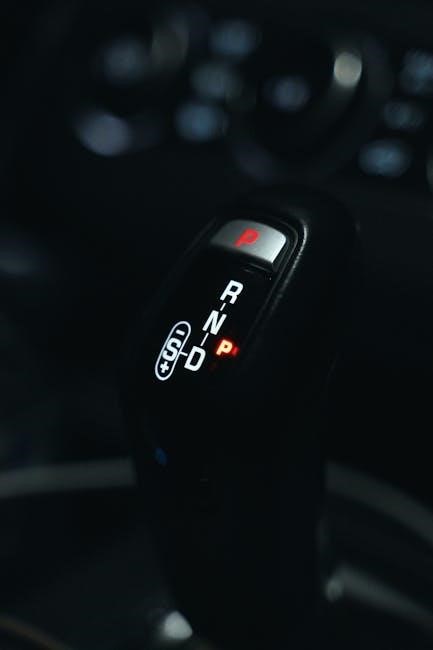
The Audi RS 5, now featuring a plug-in hybrid system and dynamic torque control, offers a thrilling driving experience. A rear transaxle enhances agility,
while the manual transmission option caters to purists seeking direct engagement with the vehicle’s potent performance capabilities.
Overview of the RS 5 Model
The Audi RS 5 represents the high-performance iteration of the A5 series, blending luxurious appointments with exhilarating driving dynamics. Initially celebrated for its naturally aspirated V8, the RS 5 transitioned to a potent twin-turbocharged V6 engine, delivering substantial power and torque.
Recent updates, as of early 2026, introduce a modular plug-in hybrid system, signifying a shift towards electrification while maintaining the RS 5’s core performance identity. This new powertrain incorporates an electromechanical torque vectoring rear transaxle, dubbed quattro with Dynamic Torque Control, enhancing agility and stability.
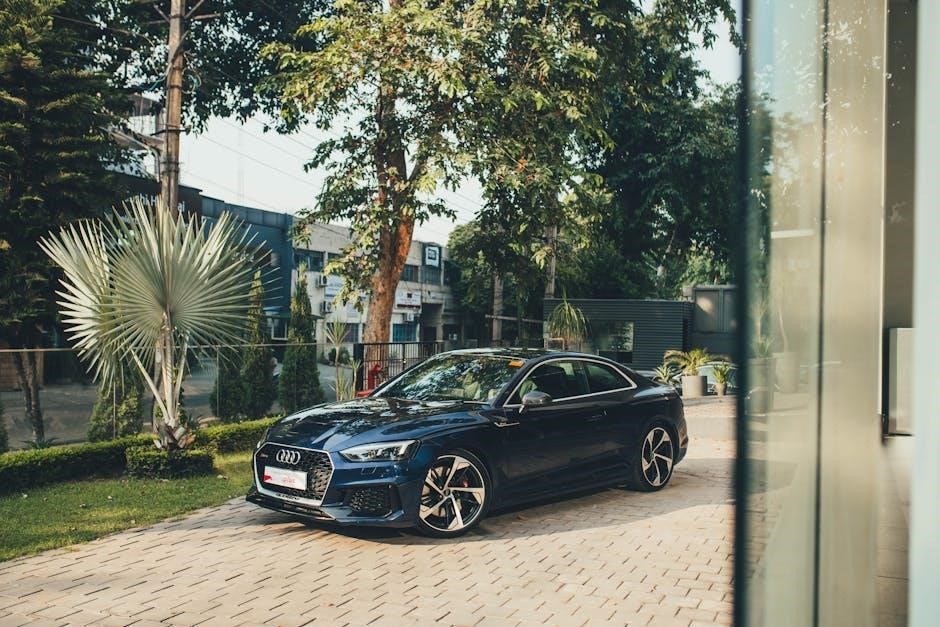
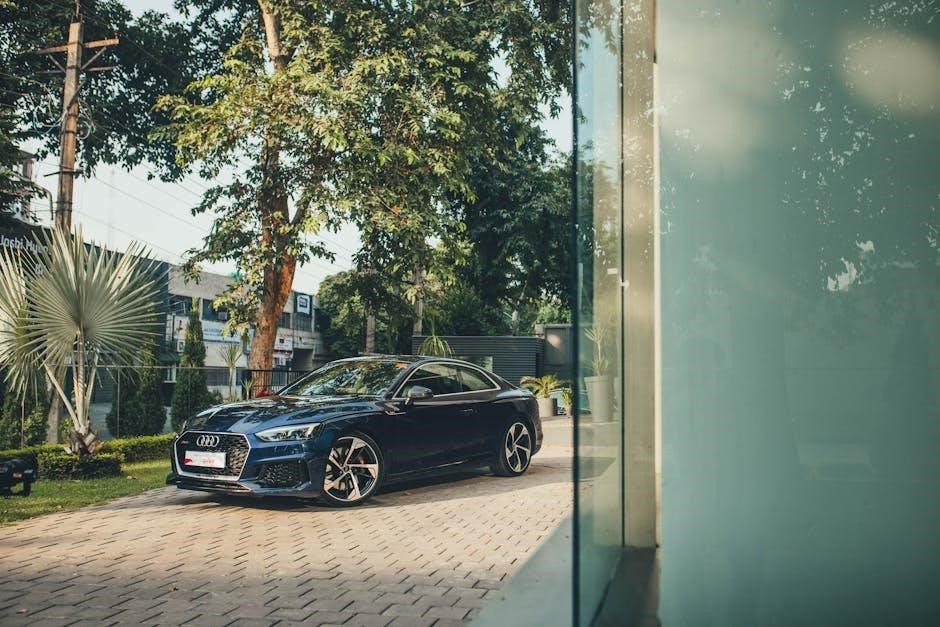
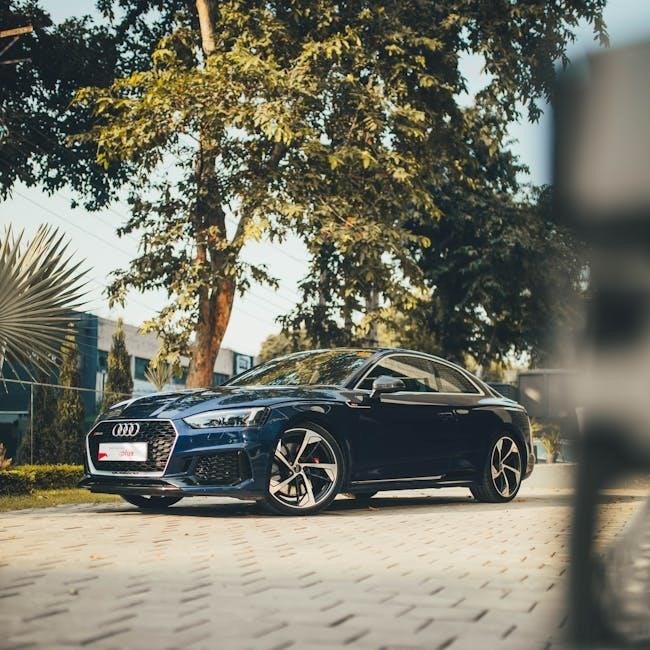
Available in Sedan and Avant (wagon) body styles, the RS 5 caters to diverse preferences, offering both practicality and sporty aesthetics. In Germany, pricing currently starts at €106,200 for the Sedan and €107,850 for the Avant, reflecting its premium positioning within the automotive market. The RS 5 continues to be a benchmark for performance-oriented vehicles.

The Significance of the Manual Transmission Option
In an era increasingly dominated by automatic transmissions, the availability of a manual gearbox in the Audi RS 5 holds considerable significance. It caters to a dedicated segment of driving enthusiasts who prioritize direct control and a more immersive connection with the vehicle. This option allows drivers to fully engage with the engine’s power delivery and precisely select gears, enhancing the overall driving experience.
The manual transmission appeals to those who value the tactile feedback and skill involved in mastering heel-toe downshifts and perfectly timed gear changes. It represents a return to a more traditional, driver-focused approach, contrasting with the convenience of automated systems.
While the plug-in hybrid system introduces advanced technology, the manual transmission serves as a reminder of the RS 5’s performance heritage, offering a purist’s alternative for those seeking unadulterated driving pleasure and a deeper connection to the machine.

Technical Specifications of the RS 5 Manual Transmission
The RS 5 integrates a sophisticated quattro all-wheel drive system with a newly developed rear transaxle featuring electromechanical torque vectoring for superior handling.
Engine and Power Output
The latest Audi RS 5 models are transitioning to a modular, high-performance plug-in hybrid system, marking a significant shift in powertrain technology. While specific details regarding the internal combustion engine paired with the electric motor are still emerging as of April 7th, 2026, the focus is on delivering substantial power and enhanced efficiency.
Previous RS 5 iterations featured a potent 2.9-liter twin-turbocharged V6 engine, producing around 444 horsepower and 442 lb-ft of torque. It’s anticipated that the hybrid system will build upon this foundation, potentially exceeding these figures through the combined output of both power sources. The electric motor will provide an immediate torque boost, improving acceleration and responsiveness.
The plug-in hybrid configuration allows for a degree of electric-only driving, reducing emissions and offering a quieter driving experience in urban environments. The overall system is engineered to provide a seamless blend of performance and sustainability, catering to evolving consumer demands.
Transmission Gear Ratios and Mechanics
The 6-speed manual transmission offered in select RS 5 models is a key component for driving enthusiasts. While precise gear ratios haven’t been publicly detailed for the 2026 models, the configuration is designed to maximize the engine’s powerband and provide engaging shifts. Expect closely spaced ratios to keep the engine within its optimal rev range during spirited driving.
The transmission utilizes a robust internal mechanism, built to withstand the high torque output of the engine. Synchronizers ensure smooth and precise gear changes, while a reinforced clutch assembly delivers reliable power transfer. The shift linkage is engineered for short throws and a direct feel, enhancing driver control.
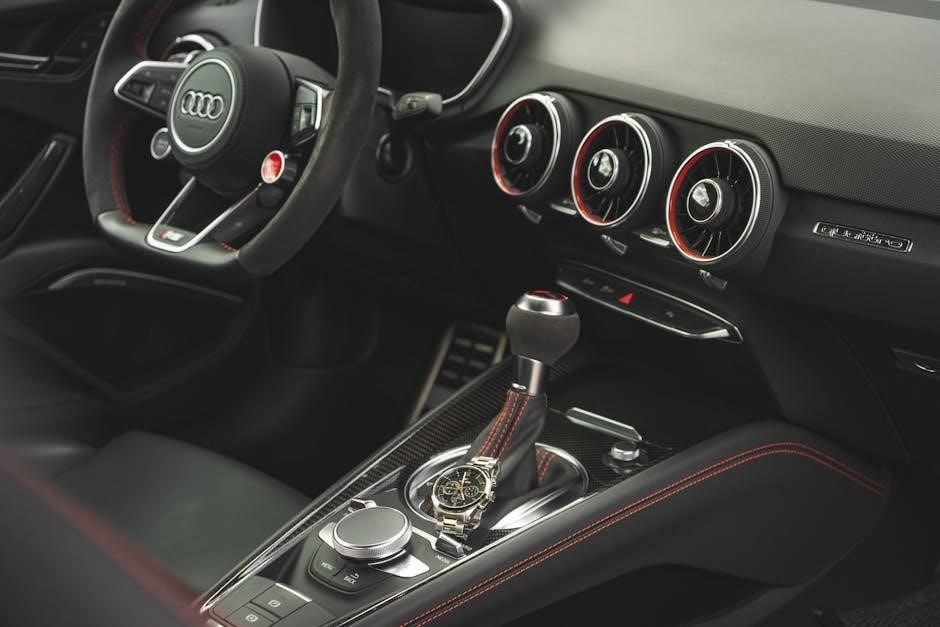
Though the focus is shifting towards hybrid technology, Audi maintains the manual option to cater to a dedicated customer base. The mechanics prioritize durability and a tactile driving experience, offering a connection to the vehicle that automatic transmissions often lack.
Quattro All-Wheel Drive System Integration
The RS 5’s renowned Quattro all-wheel-drive system is seamlessly integrated with the manual transmission, enhancing traction and stability. This isn’t the traditional Quattro setup, however; the newest iterations incorporate a rear transaxle with electromechanical torque vectoring – dubbed quattro with Dynamic Torque Control.
This advanced system actively distributes torque between the rear wheels, improving agility and cornering performance. The manual transmission doesn’t diminish this capability; instead, it allows the driver to precisely control power delivery while the Quattro system optimizes grip. The system works in milliseconds, reacting to changing conditions.
The integration ensures that power is efficiently managed, minimizing wheelspin and maximizing acceleration. This combination of a driver-focused manual transmission and intelligent all-wheel drive creates a uniquely engaging and capable driving experience, even with the move towards plug-in hybrid systems.
Driving Experience with the RS 5 Manual
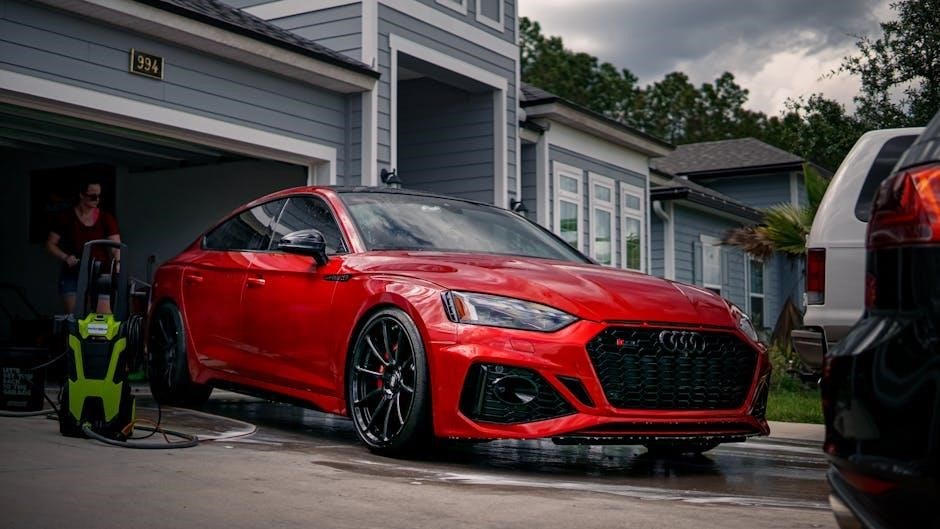
The RS 5 manual delivers a uniquely engaging experience, blending driver control with the advanced quattro system and dynamic torque control for superb agility and responsiveness.
Shifting Performance and Feel
The RS 5’s manual transmission is engineered for precision and driver involvement, offering a tactile and responsive shifting experience. While specific details regarding gear ratios aren’t readily available, the system is designed to complement the high-performance engine and quattro all-wheel-drive. Drivers can expect a short throw and a substantial feel, enhancing control during spirited driving.
The integration of the manual transmission with the advanced quattro system, featuring dynamic torque control, allows for optimized power delivery and enhanced stability. This system actively distributes torque between the rear wheels, improving agility and cornering performance. The manual gearbox allows the driver to fully exploit the engine’s powerband and precisely select the optimal gear for any driving situation, creating a truly connected and rewarding experience. It’s a return to a more analog feel in a technologically advanced package.
Handling and Dynamic Torque Control
The Audi RS 5, equipped with the manual transmission, benefits immensely from the innovative quattro system with Dynamic Torque Control. This technology acts as an “invisible maestro,” precisely distributing torque between the rear wheels in milliseconds. This enhances agility and allows for incredibly precise cornering, even under demanding conditions. The manual transmission empowers drivers to actively manage power delivery, working in harmony with the torque vectoring system.
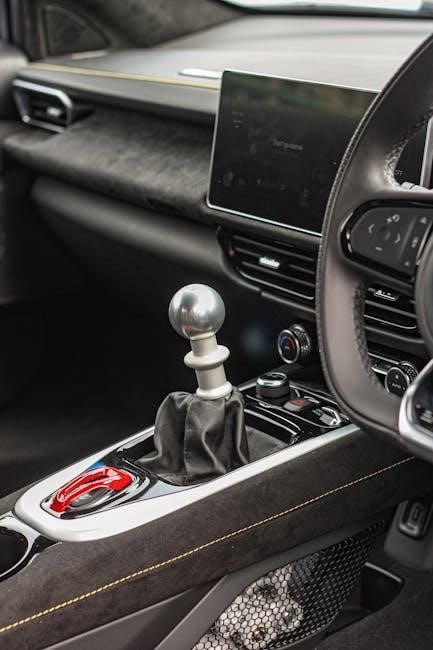
The rear transaxle, a new addition to the RS 5, further contributes to improved handling characteristics. Combined with the electromechanical torque vectoring, it creates a supremely balanced and responsive driving experience. Drivers will notice increased stability and control, particularly when navigating challenging roads or engaging in spirited driving. The system’s ability to subtly adjust torque distribution minimizes understeer and maximizes traction, resulting in a confident and engaging ride.
Comparison to Automatic Transmission Variants
While the automatic transmission RS 5 models offer convenience and rapid shifts, the manual variant delivers a distinctly more engaging and connected driving experience. The automatic prioritizes efficiency and ease of use, while the manual places control firmly in the driver’s hands, fostering a deeper connection with the vehicle’s performance. Drivers seeking ultimate involvement will gravitate towards the manual, appreciating the tactile feedback and precise gear selection.
The manual transmission encourages a more deliberate driving style, demanding greater skill and attention. Though lap times may be marginally quicker in the automatic, the manual provides a richer, more rewarding experience. The plug-in hybrid system’s power is equally accessible in both versions, but the manual allows for more nuanced control over its deployment. Ultimately, the choice hinges on individual preference – convenience versus pure driving enjoyment.
Maintenance and Reliability
Regular servicing is crucial for the RS 5, particularly the manual transmission. Consistent checks and adherence to the recommended schedule ensure optimal performance and longevity of components.
Common Issues and Troubleshooting
While the RS 5 is generally a reliable performance vehicle, owners of the manual transmission variant should be aware of potential issues. Clutch wear is a primary concern, especially with spirited driving, requiring inspection and eventual replacement.
Synchromesh issues can manifest as difficulty shifting into specific gears, often indicating low transmission fluid or internal wear. Regularly checking and topping off the transmission fluid with the correct specification is vital.
Another potential area is the shift linkage; ensure proper adjustment to prevent imprecise shifts. Unusual noises during gear changes could signal internal damage, necessitating professional diagnosis.
Furthermore, inspect the clutch master and slave cylinders for leaks, as these can lead to a soft or unresponsive pedal feel. Addressing these issues promptly prevents more extensive and costly repairs, maintaining the RS 5’s exhilarating driving experience.
Recommended Maintenance Schedule
To ensure the longevity and optimal performance of the RS 5’s manual transmission, a strict maintenance schedule is crucial. Every 10,000 miles (or annually, whichever comes first), inspect and potentially replace the transmission fluid, using only Audi-approved specifications.
The clutch should be inspected for wear every 30,000 miles, with replacement considered based on driving habits and condition. Regularly check the shift linkage for proper adjustment and lubrication to maintain precise shifting.
Inspect the clutch master and slave cylinders for leaks or damage during routine servicing. Additionally, a thorough inspection of all associated lines and connections is recommended.
Following these guidelines, alongside Audi’s standard service intervals, will help prevent costly repairs and preserve the engaging driving experience the RS 5 manual transmission provides, maximizing its lifespan and reliability.
Availability of Parts and Service
Genuine Audi parts for the RS 5 manual transmission are readily available through authorized dealerships and reputable online retailers specializing in Audi components. However, due to the relatively limited production run of the manual variant, certain specialized parts may experience occasional backorder delays.
Servicing the manual transmission requires technicians with specific expertise in Audi’s drivetrain systems. Authorized Audi service centers are best equipped to handle complex repairs and diagnostics. Independent shops specializing in European vehicles can also provide qualified service.
Access to detailed repair manuals and technical documentation is generally available to certified technicians. Maintaining a relationship with a trusted service provider familiar with the RS 5 is highly recommended to ensure proper maintenance and address any potential issues promptly, preserving the vehicle’s performance.
Market Information and Pricing (as of 04/07/2026)
In Germany, the RS 5 Sedan starts at €106,200, with the Avant at €107,850. Used RS 5s, tracked by CARFAX, show varied pricing based on condition and mileage.
New RS 5 Pricing in Germany
As of today, April 7th, 2026, the new Audi RS 5 presents a tiered pricing structure within Germany, dependent on body style and selected options. The base price for the RS 5 Sedan commences at €106,200, offering a compelling entry point into the high-performance world of Audi Sport. For those prioritizing practicality and versatility, the RS 5 Avant – the wagon variant – begins at €107,850.
It’s crucial to note that these figures represent the starting prices and do not encompass the extensive range of customization options available. Potential buyers can personalize their RS 5 with a plethora of performance upgrades, aesthetic enhancements, and advanced technology packages. These additions naturally increase the final cost, potentially pushing the price significantly higher. Furthermore, the availability of the manual transmission itself may influence pricing, potentially adding a premium or being bundled within a specific trim level. Detailed pricing breakdowns and configuration options are readily available through authorized Audi dealerships across Germany and via the official Audi online configurator.
Used RS 5 Market Trends (CARFAX Data)

CARFAX data, updated daily as of April 7th, 2026, reveals intriguing trends in the used Audi RS 5 market. Analysis of the last five model years indicates a strong demand for well-maintained examples, with vehicles exhibiting no reported accidents or damage commanding a significant premium. Currently, the average listing price for a used RS 5 fluctuates between €65,000 and €95,000, contingent upon mileage, condition, and specification;
Interestingly, models equipped with the manual transmission are exhibiting a slight increase in value compared to their automatic counterparts, suggesting a growing appreciation among enthusiasts. However, the sample size of manual transmission RS 5s remains relatively small, impacting overall market statistics. CARFAX reports demonstrate that RS 5s with comprehensive service histories and documented maintenance records consistently achieve higher resale values, reinforcing the importance of diligent vehicle care. Prospective buyers are advised to leverage CARFAX vehicle history reports to ensure transparency and informed decision-making.
Factors Influencing Resale Value
Several key factors significantly impact the resale value of the Audi RS 5, particularly those equipped with the coveted manual transmission. Mileage is paramount, with lower mileage examples naturally commanding higher prices. Condition, assessed through professional inspections and CARFAX reports, plays a crucial role; accident-free vehicles are highly sought after.
The presence of optional extras, such as upgraded interior packages or performance enhancements, can also boost resale value. However, the manual transmission itself is becoming a differentiating factor, attracting a niche market of driving enthusiasts willing to pay a premium for the engaging experience. Limited production runs or rare color combinations further enhance collectibility. Consistent maintenance records, demonstrating diligent care, are essential for maximizing resale potential, assuring buyers of the vehicle’s long-term reliability and overall health.
Key Personnel & Company Information
Graham Stevens, a key figure since 2005, drove the company forward and managed regulations. Succession planning involves Stevens and Ben van Bilderbeek ensuring a smooth transition.
Graham Stevens ‒ Role and Contributions
Graham Stevens has been a pivotal leader within the company for over two decades, beginning with his instrumental role in preparing the organization for its admission to the AIM market back in 2005. Since that foundational achievement, Stevens has consistently demonstrated unwavering dedication to propelling the business forward, navigating complex regulatory landscapes, and fostering sustained growth;
His contributions extend beyond financial and regulatory oversight; Stevens has been deeply involved in strategic decision-making, shaping the company’s long-term vision and ensuring its continued success in a competitive automotive environment. He previously held directorial positions at J Sainsbury Plc, FII Group Plc, and The Law Trading Co. Ltd., showcasing a diverse and robust business background. His leadership has been characterized by a commitment to innovation and a keen understanding of market dynamics, qualities that have been invaluable in the development and launch of vehicles like the RS 5.
Currently, as part of a carefully orchestrated succession plan, Stevens remains fully engaged with the company, ensuring a seamless transition of leadership and continued operational excellence.
Succession Planning within the Company
Strategic succession planning is a cornerstone of the company’s long-term stability and continued innovation, particularly crucial during periods of significant growth and evolving market demands. Recognizing the importance of a seamless leadership transition, a comprehensive plan has been implemented to ensure operational continuity and maintain the momentum behind key initiatives, including the development of high-performance vehicles like the RS 5.
This plan involves the continued engagement of key personnel, notably both Ben van Bilderbeek and Graham Stevens, who will remain as full-time employees for a period of six months to facilitate knowledge transfer and provide ongoing support to incoming leaders. This phased approach minimizes disruption and allows for a smooth handover of responsibilities. The company prioritizes identifying and nurturing internal talent, providing opportunities for professional development and leadership training.
The goal is to cultivate a robust pipeline of qualified individuals prepared to assume leadership roles, ensuring the company remains agile and responsive to future challenges and opportunities.