




Converting from automatic to manual offers a more engaging driving experience, but involves significant mechanical changes and financial investment.
Consider carefully if the benefits outweigh the costs!
Overview of the Conversion Process
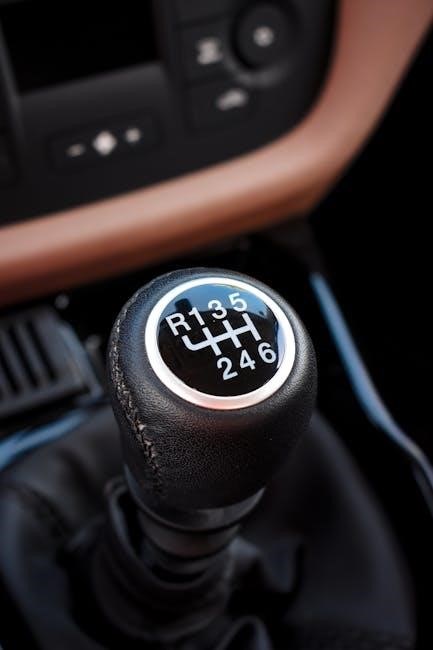
The conversion typically begins with sourcing a compatible manual transmission, clutch kit, and pedal assembly from a donor vehicle or purchasing new components. Removing the automatic transmission involves disconnecting driveshaft, shift linkages, and electrical connections. Installing the manual transmission requires adapting the driveshaft, potentially modifying the transmission tunnel, and ensuring proper alignment.
Crucially, the vehicle’s ECU may need tuning to accommodate the manual transmission, and the wiring harness will likely require modifications. Finally, thorough testing and adjustment are essential for a smooth and reliable operation. This process demands mechanical skill and attention to detail.
Benefits of a Manual Transmission Swap
Switching to a manual transmission dramatically enhances driver engagement, providing greater control and a more connected feel to the vehicle. Many enthusiasts appreciate the ability to choose gears, leading to a more spirited and rewarding driving experience. Manual transmissions often improve fuel efficiency, though this varies by vehicle and driving style.
Furthermore, a manual swap can potentially increase vehicle value among certain buyers and offers a degree of mechanical simplicity, potentially reducing long-term maintenance costs. It’s a pathway to a more personalized and enjoyable driving experience.

Cost Breakdown: Parts and Labor
Expect significant expenses for the transmission itself, clutch kits, pedal assemblies, and potential ECU tuning; labor costs vary widely based on complexity.
Transmission Sourcing (Donor Car/New)
Finding a suitable transmission is the first hurdle. A donor car offers a cost-effective route, potentially costing between $300 and $3,400, depending on the vehicle and transmission condition. Thorough inspection is crucial to avoid hidden issues. Alternatively, a new transmission provides reliability but significantly increases the initial investment. Consider mileage and warranty options when evaluating donor transmissions. Online marketplaces and salvage yards are excellent resources, but verifying compatibility with your specific vehicle model is paramount. Remember to factor in shipping costs when sourcing remotely.
Clutch Kit Costs
A complete clutch kit – including the disc, pressure plate, and throw-out bearing – is essential for a manual swap. Costs typically range from $150 to $500, varying based on brand, vehicle type, and performance level. Upgraded clutches designed for higher horsepower applications will naturally be more expensive. It’s wise to invest in a quality kit; a failing clutch can quickly negate any savings. Don’t forget to budget for potential additional costs like a pilot bearing or alignment tool, crucial for proper installation and smooth operation.
Pedal Assembly and Related Components
Since automatic vehicles lack a clutch pedal, sourcing and installing a complete pedal assembly is crucial. Costs range from $200 to $800, depending on whether you find a used assembly from a donor car or purchase a new one. Additional components like the master cylinder and brake lines are also necessary, adding $100-$300 to the budget. Ensure compatibility with your vehicle’s floor pan and consider potential modifications for a clean installation. Don’t overlook the importance of proper pedal adjustment for optimal feel.
Flywheel Considerations
A manual transmission requires a flywheel designed to accept the clutch. Flexplates used with automatics are incompatible. New flywheels typically cost between $200 and $600, depending on material and brand. Lightweight flywheels can improve engine responsiveness, but may introduce vibrations. Inspect the flywheel surface for damage and consider resurfacing or replacing it. Correct flywheel balance is critical to prevent engine damage. Ensure the flywheel is compatible with your chosen clutch and crankshaft.
ECU Tuning and Compatibility
The engine control unit (ECU) often needs reprogramming after a manual swap. Automatic and manual transmissions require different parameters for optimal performance. Tuning removes error codes related to the absent automatic transmission sensors. Costs range from $300 to $800, depending on the vehicle and tuner. Compatibility issues can arise; some ECUs are easier to tune than others. A standalone ECU might be necessary for older or less common vehicles, increasing costs significantly.
DIY vs. Professional Installation
A DIY swap saves labor costs, but demands significant mechanical skill and time. Professional installation ensures accuracy and can prevent costly mistakes during the conversion.
Advantages of a DIY Swap
Embarking on a do-it-yourself (DIY) automatic to manual transmission swap presents compelling advantages, primarily centered around substantial cost savings. Eliminating labor charges, which can often equal or exceed the parts expenses, significantly reduces the overall project budget. Beyond finances, a DIY approach fosters a deeper understanding of your vehicle’s mechanics, enhancing your automotive knowledge and troubleshooting skills.
Furthermore, it allows for complete customization, enabling you to select specific components and tailor the swap to your exact preferences. The satisfaction of successfully completing a complex project like this is immensely rewarding, providing a sense of accomplishment and pride in your mechanical abilities. However, it requires dedication, research, and a realistic assessment of your skillset.
Risks and Challenges of DIY
Undertaking a DIY automatic to manual transmission swap isn’t without significant risks and challenges. Incorrect installation can lead to mechanical failures, potentially causing damage to the transmission, engine, or other vehicle components. Diagnosing and resolving unforeseen issues, like compatibility problems or wiring harness modifications, demands extensive technical knowledge and problem-solving skills.
Moreover, the project can be incredibly time-consuming, often taking weeks or even months to complete, especially for those with limited experience. Access to specialized tools and a suitable workspace is crucial. A failed DIY attempt could ultimately cost more to rectify by a professional than simply hiring one initially.
Benefits of Professional Installation
Opting for professional installation of an automatic to manual transmission swap provides peace of mind and ensures a higher quality outcome. Qualified mechanics possess the necessary expertise, tools, and experience to handle the complexities of the conversion accurately and efficiently. This minimizes the risk of errors that could lead to costly repairs or safety concerns.
Furthermore, professionals can often complete the swap faster than a DIY approach, saving you valuable time and potential frustration. They can also offer warranties on their work, providing added protection against unforeseen issues. A professional installation often preserves the vehicle’s overall value.
Finding a Qualified Mechanic
Locating a mechanic experienced in automatic to manual transmission swaps is crucial for a successful conversion. Seek recommendations from online forums and local car communities specializing in performance or modification work. Verify their expertise by asking about previous swap projects and their familiarity with your specific vehicle make and model.
Check online reviews and ensure the shop has a good reputation for quality workmanship and customer service. A qualified mechanic will be able to accurately assess the scope of the project, provide a detailed estimate, and address any potential challenges proactively.
Specific Vehicle Considerations
Each vehicle presents unique challenges; compatibility issues, wiring harness modifications, and driveshaft/axle adjustments vary significantly by make and model.
Compatibility Issues by Make and Model
Determining compatibility is crucial, as not all manual transmissions directly bolt into every vehicle designed for automatic operation. Factors like bellhousing patterns, input shaft splines, and transmission mounting points differ considerably. Some vehicles require extensive modifications or custom fabrication to accommodate a manual swap.
For example, certain older models may lack provisions for a clutch pedal, necessitating a complete pedal assembly installation. Electronic systems, like the vehicle’s stability control, might require reprogramming to function correctly with the manual transmission. Thorough research specific to your vehicle’s make and model is essential before beginning the conversion process.
Wiring Harness Modifications
A successful manual transmission swap often necessitates modifications to the vehicle’s wiring harness. Automatic transmissions utilize sensors and solenoids that manual transmissions do not, requiring the deactivation or removal of associated wiring. Conversely, a manual transmission requires wiring for features like the clutch switch, which signals the ECU when the clutch is depressed.
Careful attention must be paid to ensure proper functionality of the vehicle’s electronic systems. Incorrect wiring can lead to error codes, malfunctioning components, or even damage to the ECU. Professional wiring diagrams and a solid understanding of automotive electrical systems are highly recommended.
Driveshaft and Axle Adjustments
Following an automatic to manual transmission swap, adjustments to the driveshaft and axles are frequently required to ensure proper fitment and operation. The length of the driveshaft may need to be altered, or a different driveshaft entirely sourced, to accommodate the change in transmission length.
Axle compatibility must also be verified; some vehicles require different axles when switching from automatic to manual. Proper alignment and torque specifications are crucial to prevent vibrations, premature wear, and potential drivetrain failure. Professional assessment is often advisable.
Tools and Equipment Required
A successful swap demands standard mechanics tools, plus specialized items like a transmission jack, alignment tools, and potentially, diagnostic software for ECU adjustments.
Essential Tools for the Swap
Undertaking an automatic to manual transmission swap requires a comprehensive toolkit. Basic hand tools – sockets, wrenches, screwdrivers – are fundamental. A good quality jack and jack stands are non-negotiable for safe vehicle support. A torque wrench is crucial for precise tightening of bolts, preventing damage.
Beyond the basics, penetrating oil will assist with stubborn fasteners. A drain pan is needed for fluids. You’ll also require a breaker bar for loosening tight components and potentially, a specialized flywheel holding tool. Don’t forget safety glasses and gloves!
Specialized Tools and Their Costs
Beyond standard tools, specific items significantly ease a manual swap. A transmission jack, costing $150-$300, is vital for safe removal and installation. A flywheel locking tool ($50-$100) prevents rotation during clutch work. Clutch alignment tools ($20-$50) ensure proper disc centering.
Diagnostic scan tools ($100-$500+) are needed for ECU adjustments. A hydraulic hose crimper might be necessary for brake lines, around $80-$200. Investing in quality tools saves time and reduces frustration, though rental options exist for some items.
Potential Problems and Solutions
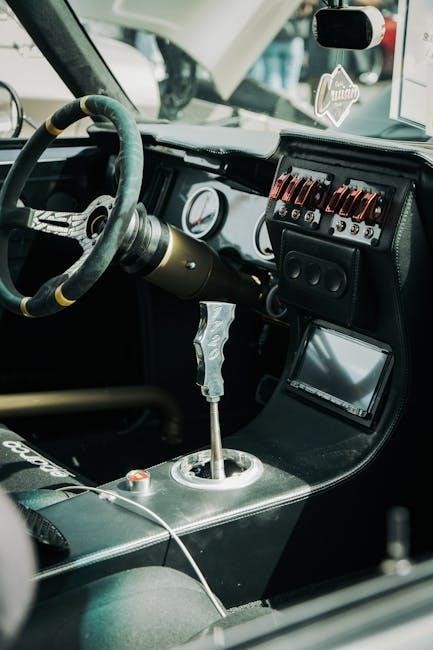
Common issues include parts scarcity, ECU tuning difficulties, and fitment challenges. Thorough research, adaptable planning, and professional help can overcome these hurdles.
Difficulty Finding Parts
Sourcing the correct components for an automatic to manual swap can prove surprisingly challenging. Donor cars are often the most cost-effective route, but locating a suitable vehicle in good condition with the desired transmission can take considerable time and effort. Specific parts, like the pedal assembly or specific flywheel variations, may be discontinued or have limited availability.
Furthermore, compatibility issues between different model years or trim levels can complicate the search. Online forums and dedicated parts suppliers are invaluable resources, but patience and diligent searching are often required to assemble a complete parts list. Expect potential delays and be prepared to explore multiple avenues.
ECU Tuning Complications
Modern vehicle ECUs are often deeply integrated with the transmission control system. Simply swapping to a manual transmission won’t guarantee proper operation; the ECU needs reprogramming to remove automatic transmission-related functions and enable manual control. This tuning process can be complex, requiring specialized software and expertise.
Incorrect tuning can lead to various issues, including error codes, limp mode, or even engine damage. Finding a tuner familiar with your specific vehicle and swap configuration is crucial. Some vehicles may require a standalone ECU, significantly increasing the cost and complexity of the conversion.
Mechanical Fitment Issues
Despite careful planning, mechanical fitment issues frequently arise during an automatic to manual swap. The manual transmission may have different dimensions than the automatic, requiring modifications to the transmission tunnel or floor pan. The driveshaft length will almost certainly need adjustment, potentially necessitating a custom-built driveshaft.
Mounting points for the manual transmission may not align perfectly, demanding fabrication or adapter plates. Ensuring proper alignment is critical to prevent vibrations and premature wear. Thoroughly researching potential fitment challenges for your specific vehicle is essential before starting the swap.
Estimated Total Costs
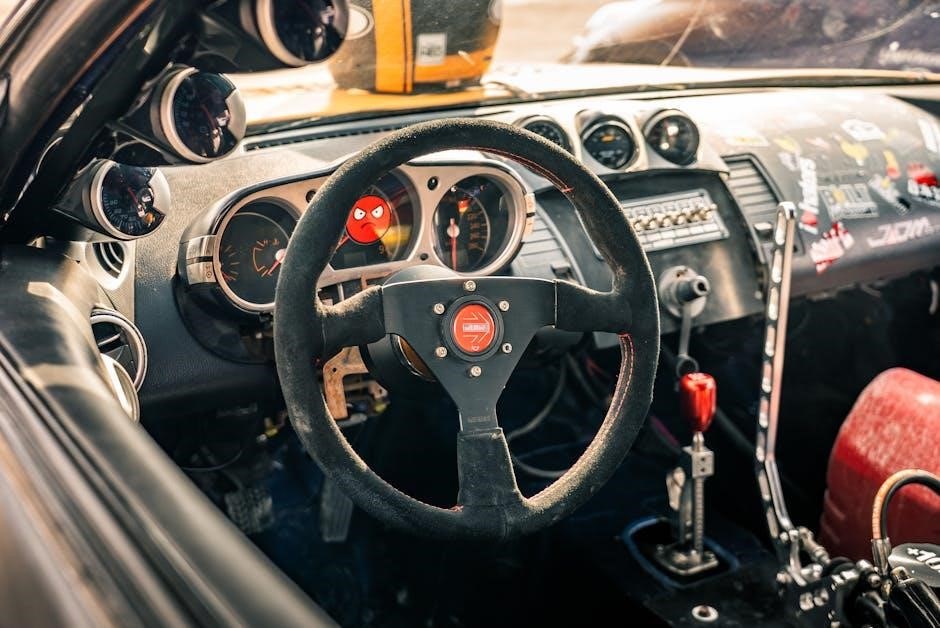
Total costs vary widely, ranging from $1,000 to $3,000 for a basic swap, potentially exceeding this with upgrades or professional labor included.
Low-End Budget Swap
A truly budget-conscious swap focuses on sourcing a used transmission from a donor vehicle, often costing between $300 and $800. A basic clutch kit can add another $150-$300, while the pedal assembly might be found for around $100-$200 used. Expect to spend approximately $200 on smaller parts like linkage and hardware.
However, this assumes you perform all labor yourself, avoiding potentially expensive mechanic fees. ECU tuning may be minimal or bypassed entirely in this scenario, accepting potential compromises in driveability. This approach targets a total cost between $600 and $1,400, prioritizing affordability over refinement.
Mid-Range Swap with Upgrades
This level involves a rebuilt or newer used transmission, ranging from $800 to $1,500, offering improved reliability. A performance clutch kit, costing $300-$600, enhances engagement and durability. A new pedal assembly, around $200-$400, ensures smooth operation.
Crucially, a basic ECU tune ($300-$700) optimizes performance and addresses compatibility issues. Expect to spend $200-$500 on supporting modifications like a new flywheel and potentially a driveshaft adjustment. This results in a total cost between $1,800 and $3,700, balancing cost and performance gains.
High-End Swap with Performance Parts
For enthusiasts seeking peak performance, a new, high-quality transmission ($2,000 ⸺ $4,000+) is essential. Pair this with a premium, heavy-duty clutch kit ($700 ⸺ $1,200) for superior handling. A complete pedal assembly upgrade ($500 ⸺ $800) provides refined feel.
Expect a comprehensive ECU tune ($800 ⎯ $1,500) and potentially a custom driveshaft ($500 ⎯ $1,000). Adding a lightweight flywheel ($300 ⸺ $600) further enhances responsiveness. This top-tier swap can easily exceed $4,800, delivering a truly transformed driving experience.
Legality and Insurance Implications
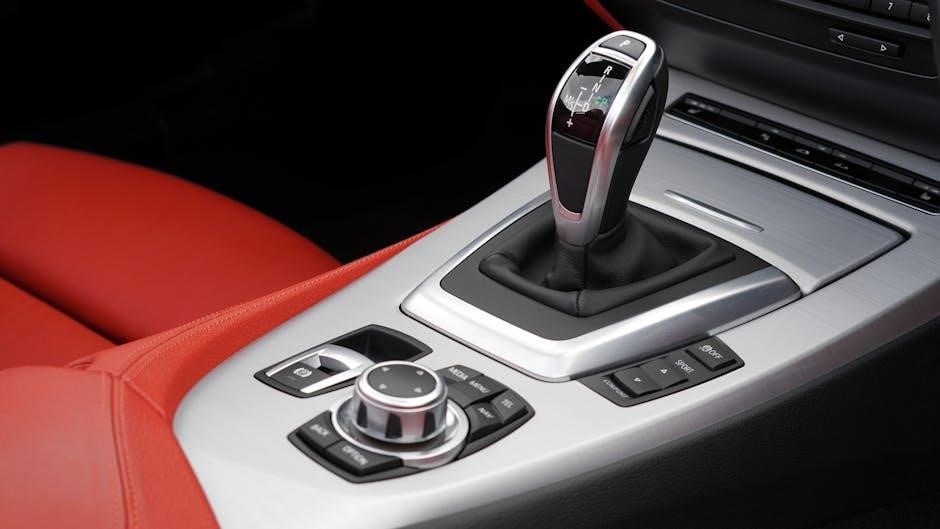
Modifications like transmission swaps may require inspection and adherence to local regulations. Inform your insurance provider; failure to do so could void coverage.
Local Regulations Regarding Transmission Swaps
Before undertaking an automatic to manual transmission swap, thoroughly research your local and state vehicle modification laws. Regulations vary significantly; some areas require inspections to ensure the swap meets safety standards and emissions requirements.
Ignoring these rules can lead to failed inspections, fines, or even the inability to legally operate the vehicle on public roads. Check with your Department of Motor Vehicles (DMV) or equivalent agency for specific guidelines.
Documentation of the swap, including parts receipts and potentially inspection reports, is crucial for compliance.
Insurance Considerations After the Swap
Following a manual transmission swap, promptly inform your insurance provider. Modifications like this can affect your premium, as a manual transmission might be considered a performance upgrade or alter the vehicle’s risk profile.
Failure to disclose the change could invalidate your coverage in the event of an accident. Be prepared to provide documentation proving the swap was completed correctly.
Some insurers may require an appraisal to accurately assess the vehicle’s value and adjust your policy accordingly.
Resources and Communities
Online forums and dedicated communities provide invaluable support, parts sourcing advice, and troubleshooting assistance for your automatic to manual swap project.
Online Forums and Communities
Numerous online platforms cater specifically to those undertaking automatic to manual transmission swaps. These communities are goldmines of information, offering detailed build threads, troubleshooting guides, and readily available advice from experienced enthusiasts. Popular forums often have dedicated sections for specific vehicle makes and models, ensuring relevant support.
Members frequently share parts sourcing tips, discuss ECU tuning challenges, and offer solutions to common mechanical fitment issues. Active participation can significantly streamline your swap process, preventing costly mistakes and providing a collaborative learning environment. Don’t hesitate to ask questions and contribute your own experiences!
Parts Suppliers and Vendors
Sourcing components for an automatic to manual swap requires careful vendor selection. Specialized transmission suppliers offer rebuilt or new manual transmissions, clutch kits, and flywheel options. Online marketplaces connect you with individual sellers offering donor car parts, potentially saving costs.
Reputable vendors provide detailed product specifications, warranty information, and responsive customer support. Consider vendors specializing in performance parts for upgraded components. Local auto parts stores may stock basic items, but specialized parts often require online ordering. Thorough research ensures quality and compatibility.
Long-Term Maintenance
Regular clutch inspections and fluid changes are crucial post-swap. Expect clutch replacement around 30,000-60,000 miles, and transmission fluid services every 30,000 miles.
Clutch Replacement Intervals
Determining clutch lifespan post-swap depends heavily on driving habits. Aggressive driving, frequent stop-and-go traffic, and performance modifications significantly reduce clutch life. A typical clutch can last between 30,000 to 60,000 miles under normal conditions, but this is a broad estimate.
Signs indicating impending clutch failure include slipping (engine revs high without proportional speed increase), difficulty shifting, a spongy pedal feel, and unusual noises. Proactive inspection during routine maintenance is recommended. Consider a higher-quality clutch kit for increased durability, especially with increased engine power.
Transmission Fluid Changes
Regular transmission fluid changes are crucial for maintaining the longevity of your newly installed manual transmission. Unlike automatics, manuals don’t typically have a strict, mileage-based schedule, but it’s best practice to change the fluid every 30,000 to 60,000 miles.
Using the correct fluid type, specified by your vehicle’s manufacturer, is paramount. Check your owner’s manual or consult a mechanic. Fluid changes help lubricate gears, prevent wear, and maintain optimal performance. Inspect for leaks after each change and address them promptly to avoid damage.