




Overview of Physical Development in Preschoolers
Preschoolers (3‑5 yrs) benefit from structured movement that builds strength, balance, and coordination. Daily play sessions of 20‑30 min, mixing running, jumping, and gentle resistance, support motor skill acquisition and cognitive growth. Parents and teachers encourage exploration, ensuring safe environments.
Importance of Early Physical Activity
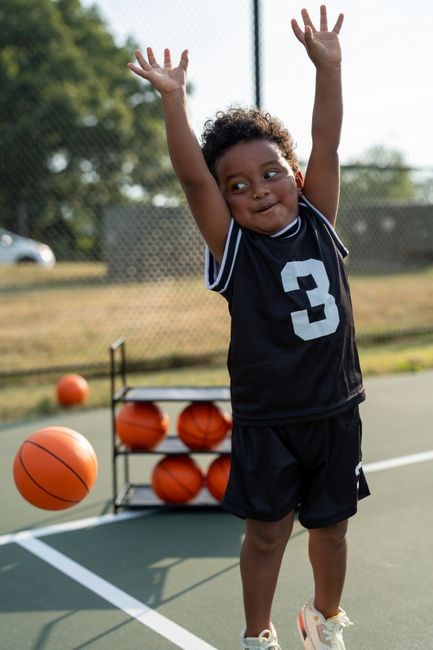
Early movement is a cornerstone of healthy growth in children aged 3‑5. The Active Start statement (2002) emphasizes that infants and toddlers should be encouraged to move from birth, and preschoolers must receive daily opportunities to develop gross and fine motor skills. Regular activity improves cardiovascular fitness, muscular strength, and bone density, while also supporting brain development and executive function. When children engage in purposeful play—such as running, hopping, throwing, and climbing—they refine balance, coordination, and spatial awareness. These skills form the foundation for later academic success, as research links motor proficiency with better language, math, and reading outcomes. Moreover, consistent movement habits reduce the risk of obesity, improve sleep quality, and foster social interaction. Parents and educators can create a supportive environment by integrating short, varied activity bouts into daily routines, ensuring safe play spaces, and modeling active behaviors. By prioritizing early physical activity, caregivers help children build confidence, resilience, and a lifelong appreciation for movement.
Children who participate in structured play develop self‑regulation and problem‑solving skills. When they navigate obstacle courses or follow rhythmic dance routines, they learn to listen, take turns, and negotiate rules. These social competencies reinforce emotional regulation, leading to reduced tantrums and improved classroom engagement. Additionally, early physical activity promotes healthy growth patterns, supporting optimal height, weight, and motor readiness for school entry and early development.
Key Milestones for Ages 3-5
By age three, children typically can run with confidence, jump over low obstacles, and kick a ball forward. They begin to master balance on one foot for a few seconds and can hop on one foot. Fine‑motor progress includes drawing simple shapes, cutting along straight lines, and using utensils with increasing precision. At four years, gross‑motor skills expand: children can skip, climb stairs with alternating feet, and maintain a steady pace while walking. They can throw a ball underhand with proper aim and catch with both hands. Fine‑motor abilities sharpen: they can thread beads, build towers of blocks, and manipulate small objects with thumb‑pinky opposition. By five, children demonstrate coordinated locomotor patterns such as running with speed, turning quickly, and performing basic dance steps. They can hop on both feet, balance on a beam, and execute a simple jump with a single hop. Fine‑motor milestones include writing letters with a firm grip, cutting shapes with scissors, and completing simple puzzles. These developmental markers align with the Active Start guidelines, which recommend daily movement that supports both gross and fine motor growth, ensuring children build confidence, strength, and coordination during the critical preschool years.
Physical milestones also reflect sensory integration and cognitive readiness. At age three, children can follow simple two‑step commands and respond to rhythmic cues. By four, they can coordinate hand‑eye movements during ball games and begin to understand spatial relationships such as “over” and “under.” At five, children can execute more complex sequences like hopping while counting or dancing to music, which reinforces memory and language skills. These milestones are consistent with the Active Start recommendations that emphasize varied, play‑based activities to promote holistic development.
Consistent, age‑appropriate practice ensures that each child reaches these milestones, laying a solid foundation for lifelong health and learning.
Active Start Guidelines for Preschoolers
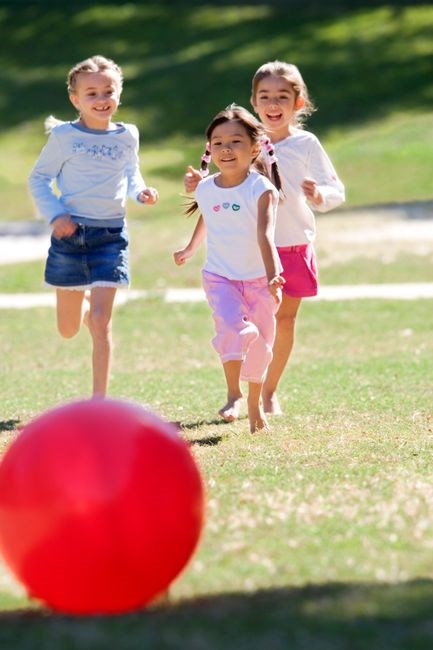
Active Start recommends 20–30 min of running, jumping, ball play, and balance drills. Children practice coordination, fine‑motor skills such as drawing and cutting. Activities must be safe, supervised, and varied to build strength and confidence. It supports motor skill development encourages active play now.
Recommended Activity Types and Duration
For children aged 3‑5, the Active Start framework recommends a mix of gross‑motor and fine‑motor play. Gross‑motor activities—running, hopping, climbing, throwing, and simple obstacle courses—should occupy about 60‑70 % of the daily movement window. Fine‑motor work, such as drawing, cutting, and manipulating small objects, fills the remaining 30‑40 %. Each session lasts 20‑30 minutes, with short 5‑minute breaks to sustain focus and prevent fatigue.
A typical schedule might include a 10‑minute warm‑up of stretching, followed by 15 minutes of structured play (e.g., “Red Light/Green Light” or a mini‑relay race), a 5‑minute cool‑down, and a 5‑minute creative activity such as building with blocks or drawing. Repeating this cycle twice a day—provides consistent stimulation without overwhelming the child.
Caregivers should adjust intensity based on the child’s energy level and the environment, ensuring activities remain safe, engaging, and appropriate. Incorporating rhythm and music—clapping games, dancing to a beat, or following rhythmic cues—enhances timing and coordination. Celebrate progress with reinforcement to encourage motivation and sustained participation.
During outdoor play, give a safe surface, clear boundaries, and gear. Offer water breaks in weather and let children practice balance on low beams. Chores like sweeping reinforce fine‑motor precision boost gross‑motor endurance. Enjoy!!
Environmental and Safety Recommendations
Creating a safe, stimulating setting is essential for preschoolers’ growth. Active Start advises indoor spaces free of sharp edges, with padded mats or rubber flooring. Soft, age‑appropriate equipment—low beams, hurdles, bean‑bag toss—should be on stable surfaces. Outdoor areas must be fenced, with non‑slippery grass or mulch, and all equipment should meet ASTM or EN standards. Clear sightlines let caregivers monitor children, reducing collision risk. Children practice balance by stepping on low platforms and hopping over obstacles strengthening core.
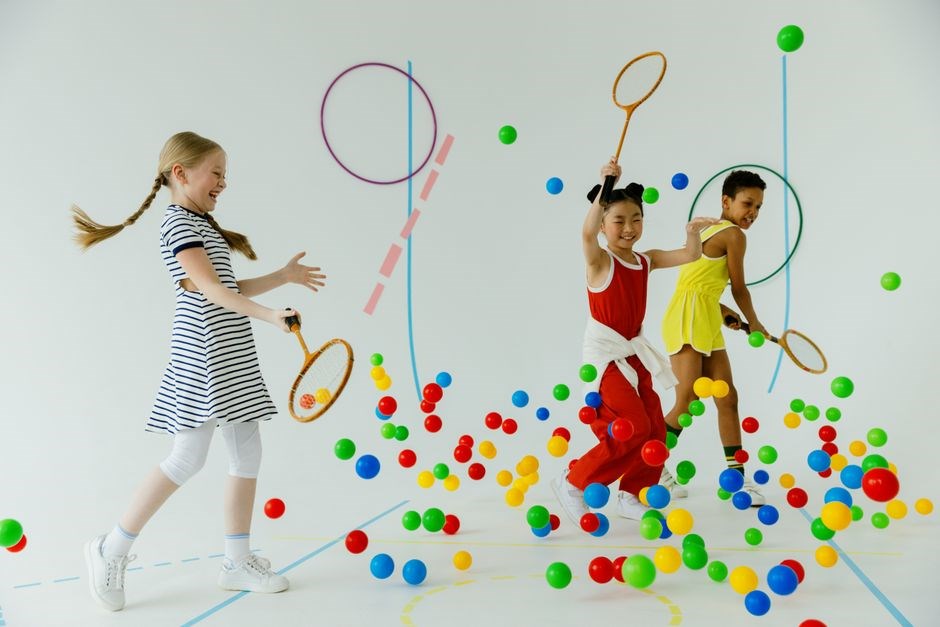
In hot climates, schedule vigorous play during cooler hours, provide shaded rest areas, and ensure ample water to prevent dehydration. In colder months, encourage indoor movement or use heated outdoor zones, and equip children with layered clothing. Children’s personal items—gloves, goggles, or helmets—must fit correctly; helmets are recommended for high‑speed activities. Regular equipment inspections are vital; replace cracked parts immediately. Always supervise children during play to ensure safety and provide immediate assistance if needed!!
Promote a positive environment with visual cues like color‑coded zones. Use floor markings for safe lanes and obstacle paths. Encourage children to practice “safe play” rules—e.g., “no running in narrow aisles” or “watch the ball”—through short lessons. Maintain open communication with parents about activity plans and safety concerns. Use bright colors and clear signage to guide children safely for kids.

Fundamental Motor Skills Development
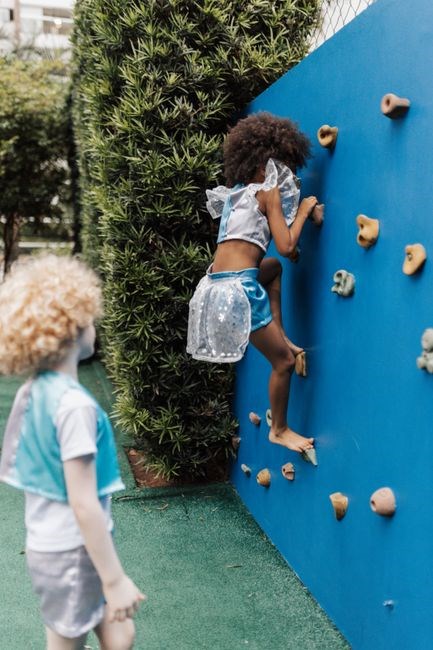
Fundamental motor skills in preschoolers involve gross and fine movements that build coordination, balance, and strength. Activities like hopping, throwing, and drawing with crayons enhance neural pathways, supporting academic readiness and confidence. Playful routines boost body awareness posture prevention.!!!
Gross Motor Skills Focus
Preschoolers aged three to five engage in dynamic activities that strengthen core muscles, enhance balance, and refine coordination. Structured play such as obstacle courses, hopscotch, and ball games encourages controlled movements, while free play allows spontaneous exploration of spatial awareness. Coaches and caregivers can scaffold tasks by introducing progressive challenges—starting with single‑leg stands, then moving to two‑leg jumps, and finally incorporating directional changes. Consistent repetition of these tasks builds neural pathways, improving motor planning and execution. Incorporating rhythmic activities like marching to music or dancing helps children internalize timing cues, fostering smoother transitions between movements. Outdoor settings provide varied terrain that naturally demands adjustments in gait and posture, promoting proprioceptive feedback. Indoor environments can be transformed with mats, cones, and soft obstacles that safely guide children through balance beams or crawling tunnels. Safety considerations include ensuring adequate space, removing tripping hazards, and using age‑appropriate equipment. Parents and teachers should model proper technique, provide positive reinforcement, and maintain a supportive atmosphere that celebrates effort over outcome. By embedding gross‑motor skill development into daily routines, children build confidence, improve physical literacy, and lay a foundation for lifelong active habits. These activities boost motor skills while fostering social interaction and self‑esteem!
Fine Motor Skills Integration
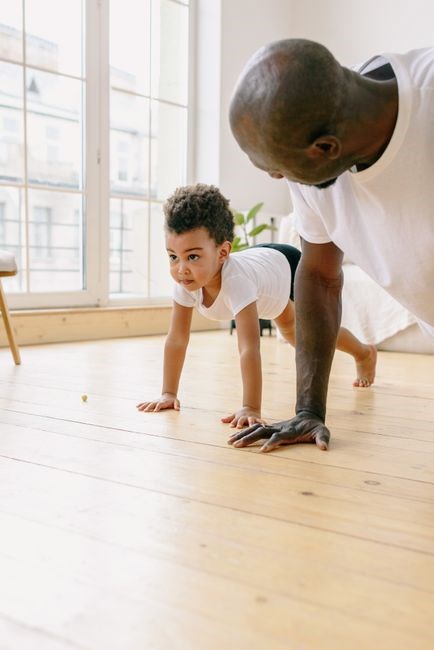
Fine‑motor development in preschoolers is nurtured through purposeful, hands‑on activities that blend creativity, precision, and problem‑solving. Structured play such as bead threading, shape sorting, and simple puzzle assembly encourages children to manipulate small objects, fostering dexterity and hand‑eye coordination. Incorporating arts and crafts—cutting with child‑safe scissors, gluing, and finger‑painting—provides sensory feedback and promotes fine‑motor planning. Outdoor activities like sand play or clay modeling also enhance tactile discrimination and muscle memory. Teachers can scaffold tasks by varying resistance: starting with large, easy‑grip tools and progressing to smaller, more delicate instruments. Repetition of these tasks builds neural efficiency, while encouraging children to describe their actions reinforces cognitive labeling of motor steps. Integrating technology, such as age‑appropriate drawing tablets or simple coding games, introduces fine‑motor control in a digital context. Safety is paramount: ensuring materials are non‑toxic, supervising near sharp edges, and providing a clean workspace reduces injury risk. Parents can support development at home by offering everyday opportunities—helping with buttoning, tying laces, or assembling simple Lego sets. Consistent practice, coupled with positive feedback, cultivates confidence and a sense of mastery. By weaving fine‑motor skill activities into daily routines, children develop the precision needed for academic tasks, self‑care, and future professional pursuits. These integrated activities not only sharpen motor precision but also enhance fine‑motor endurance, encouraging children to tackle complex tasks with confidence and creativity and fostering lifelong skill!
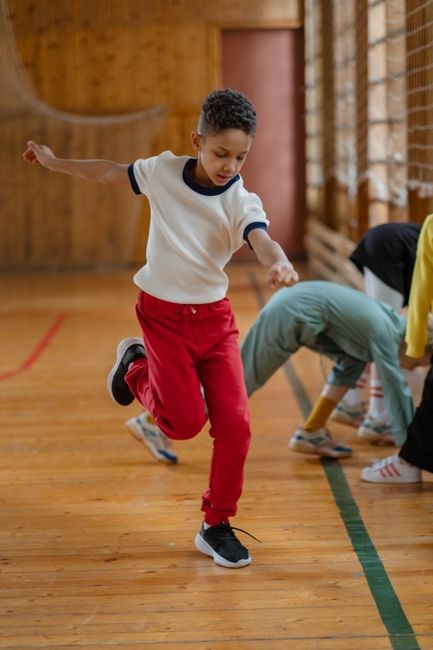
Indoor Physical Activity Ideas
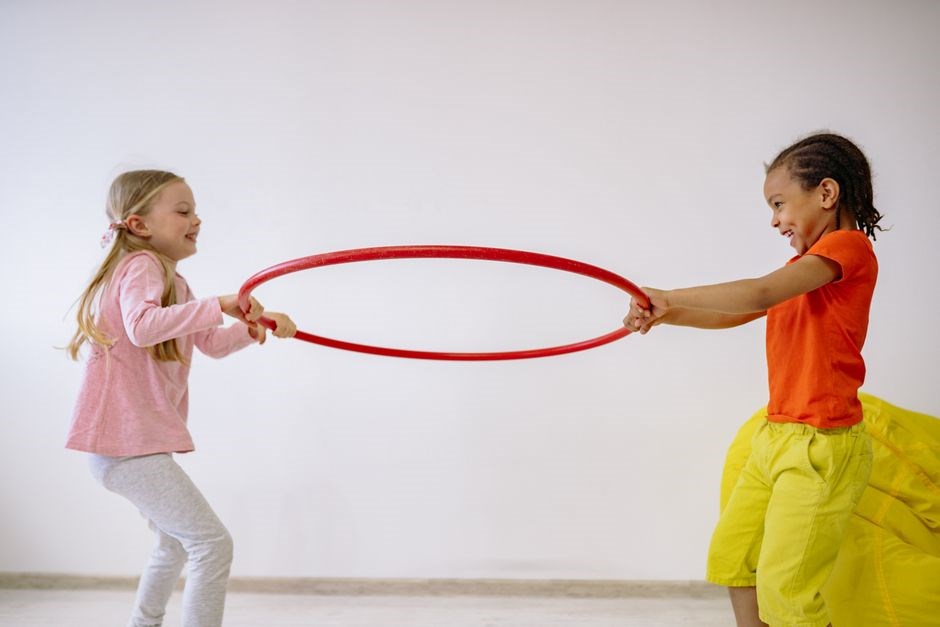
Play dance circles, obstacle courses, and ball games in a safe indoor space. Use soft mats, hula hoops, and bean bags to encourage hopping, balancing, and throwing. Rotate activities every 10‑15 minutes to keep energy high and develop coordination, strength, and confidence. Kids learn rhythm and teamwork fun.
Structured Games and Movement Drills
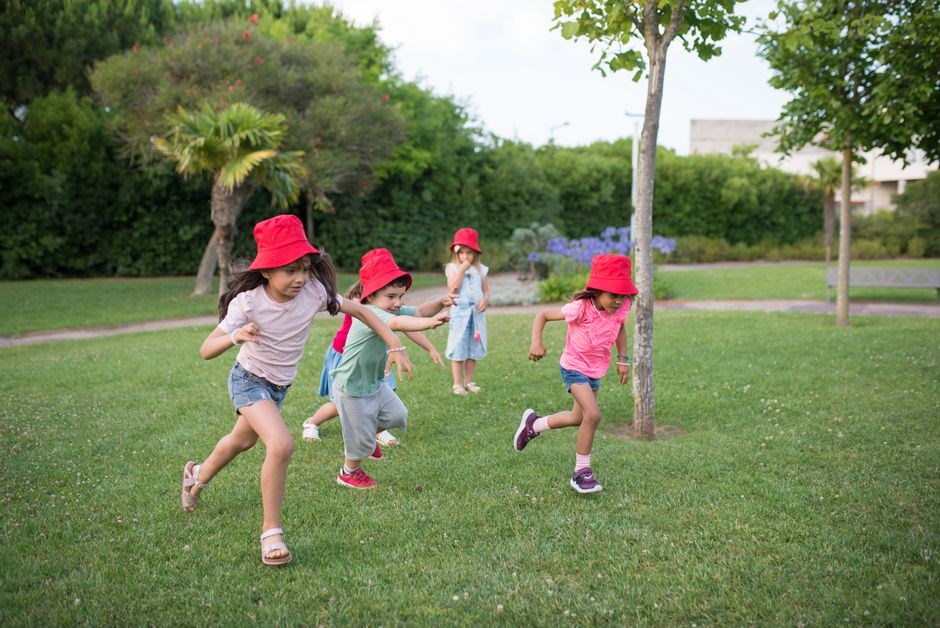
Incorporating structured games and movement drills into daily routines helps preschoolers develop gross motor skills, coordination, and confidence. A popular drill is the “Red Light, Green Light” game, where children sprint toward a target when the leader says “green light” and freeze on “red light.” This activity sharpens listening skills and body control. Another effective drill is the “Simon Says” routine, which encourages children to follow directional cues while moving in various ways—jumping, hopping, or crawling—thereby reinforcing spatial awareness and balance. For fine motor integration, the “Obstacle Crawl” involves setting up a low obstacle course with cushions, tunnels, and soft blocks that children must navigate by stepping, sliding, or ducking; This drill promotes core strength and proprioception; A “Ball Toss Relay” encourages teamwork; children pass a lightweight ball in a line, practicing throwing accuracy and catching technique. Incorporating rhythmic movement, “Dance Freeze” involves playing music and having children dance freely, then freeze in a pose when the music stops, which enhances body awareness and rhythm. These structured activities can be scheduled for 10‑15 minutes each, ensuring variety and sustained engagement. Teachers and caregivers should provide clear instructions, demonstrate each movement, and offer positive reinforcement to keep children motivated and safe. By blending fun with purposeful movement, preschoolers gain essential motor foundations that support overall growth and learning.
Additional drills such as the “Shape Hunt” game, where children locate and touch objects of specific shapes, enhance visual discrimination and fine motor precision. The “Balance Beam” drill, using a low, wide strip, teaches children to maintain equilibrium while walking forward, backward, or sideways, strengthening core stability. “Parachute Play” with a lightweight fabric encourages cooperative movement, as children lift and lower the parachute together, fostering social interaction and group coordination. “Jump Rope Relay” introduces rhythmic timing and bilateral coordination, as children take turns jumping over a rope while others count steps. Finally, “Mirror Movement” pairs children to mimic each other’s actions, promoting imitation skills, attention, and synchronized motor planning. Each drill should be adapted to the child’s developmental level, ensuring safety while challenging their physical limits. Consistent practice of these games not only builds strength, balance, and coordination but also encourages curiosity, resilience, and a lifelong appreciation for active play.
Outdoor Physical Activity Ideas
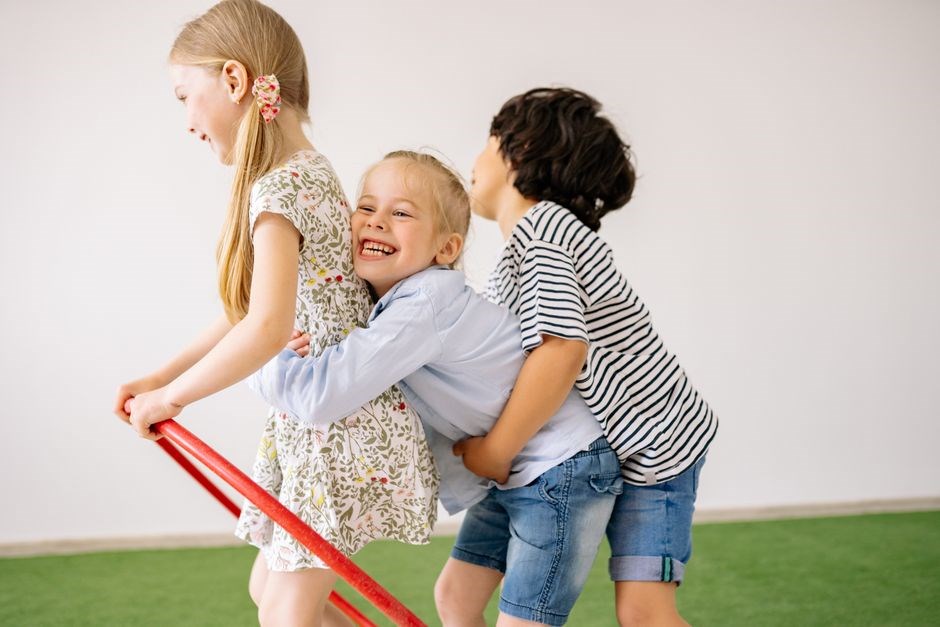
Encourage 20‑minute walks, nature scavenger hunts, and simple obstacle courses using natural features. Children can jump over logs, balance on stones, and chase bubbles, fostering balance, coordination, and sensory exploration while enjoying fresh air. Watch for rocks.
Nature-Based Exploration and Obstacle Courses
Outdoor play that blends natural scenery with structured movement offers preschoolers a dynamic learning environment. A simple obstacle course can be built using fallen branches, smooth stones, and low logs, encouraging children to climb, balance, and negotiate varied textures. Incorporating a “forest walk” where kids follow a marked trail, identify plant species, and collect leaves promotes sensory awareness and gross‑motor coordination.
Key elements for a safe, engaging course include:
- Soft landing zones: lay down mulch or grass to cushion falls.
- Clear boundaries: use natural markers like flower beds or tree lines.
- Age‑appropriate challenges: start with stepping onto a low stone, then progress to hopping between logs.
- Supervision: an adult should guide transitions and model safe techniques.
- Hydration breaks: provide water stations near the course.
- Seasonal adaptation: in spring add puddle jumps; in fall use leaf piles for hopping.
- Creative themes: label stations as “river crossing” or “mountain climb” to spark imagination.
Benefits extend beyond physical fitness. Children develop spatial awareness, problem‑solving skills, and confidence as they navigate real‑world obstacles. Integrating simple games—such as “follow the leader” or “simon says”—within the course adds a playful element that keeps engagement high. By combining exploration with structured movement, preschoolers build foundational motor skills while fostering a lifelong appreciation for the outdoors.
Documentation can reinforce learning: capture photos or short videos of each station, then review with the child to highlight progress and set new goals. This reflective practice encourages self‑awareness and goal‑setting, essential components of early childhood development. A sticker chart helps children see progress, stay excited, and share achievements with family!!