




Acuvue Oasys Max Multifocal Overview
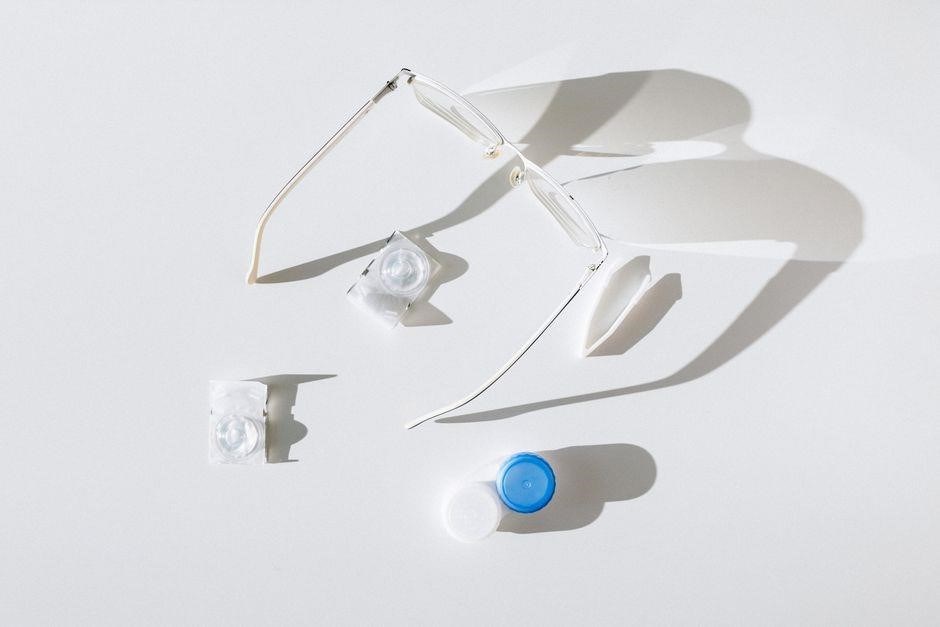
Acuvue Oasys Max Multifocal offers advanced comfort with Etafilcon A and Senofilcon A‚ embedded PVP/LACREON technology‚ and a pupil‑centered design․ The fitting guide emphasizes base‑curve selection‚ proper lens coverage‚ tear exchange‚ and patient adaptation․ It supports daily wear and enhances vision clarity
Lens Design and Materials
Lens design features Etafilcon A and Senofilcon A‚ providing high oxygen permeability and soft comfort․ Embedded PVP/LACREON technology enhances tear film stability‚ while a pupil‑centered multifocal geometry delivers clear vision at all distances․ The 14․3 mm diameter ensures full corneal coverage․ All patients enjoy

Etafilcon A and Senofilcon A Composition
Etafilcon A‚ a silicone hydrogel polymer‚ combines high oxygen permeability (Dk/t of 106) with a low water content (38%) to maintain corneal hydration while allowing rapid oxygen diffusion․ Its unique monomer blend—silicone acrylate‚ hydroxyethyl methacrylate‚ and sulfobetaine methacrylate—creates a surface that resists protein deposition and promotes a stable tear film․ Senofilcon A‚ the next‑generation material‚ builds on Etafilcon A’s strengths by incorporating a higher silicone content (up to 70%) and a refined cross‑linking architecture․ This yields an even greater oxygen flux (Dk/t of 120) and a softer‚ more elastic feel that adapts to the eye’s dynamic movements․ Both materials are engineered to support the embedded PVP/LACREON technology‚ which delivers a micro‑layer of hydrated polymer that mimics natural tear film viscosity․ The synergy between the high‑permeability base and the lubricating surface ensures that the lens maintains a continuous tear reservoir‚ reduces dryness‚ and minimizes lens‑induced inflammation․ In practice‚ patients experience a smooth‚ almost weightless sensation during daily wear‚ with minimal visual distortion across the multifocal zones․ The materials’ biocompatibility also translates to lower rates of microbial adhesion‚ making the lenses suitable for extended daily use․ Overall‚ Etafilcon A and Senofilcon A provide a robust platform for the Acuvue Oasys Max Multifocal system‚ balancing optical clarity‚ comfort‚ and ocular health․ ensuring optimal visual performance throughout the day a activities․
Embedded PVP/LACREON Technology

Embedded PVP/LACREON technology is a proprietary surface modification that incorporates a micro‑layer of polyvinylpyrrolidone (PVP) and a proprietary LACREON polymer into the silicone hydrogel matrix of Acuvue Oasys Max Multifocal lenses․ The PVP component is a hydrophilic polymer that attracts and retains water molecules‚ creating a thin‚ continuous hydration film that mimics the natural tear film․ LACREON‚ a silicone‑based polymer‚ enhances surface wettability while maintaining the lens’s high oxygen permeability․ Together‚ these materials form a “smart” interface that resists protein deposition‚ reduces lens‑induced inflammation‚ and promotes stable tear exchange during blinking․ The embedded layer is engineered to be less than 0․5 µm thick‚ ensuring it does not interfere with the optical zones of the multifocal design․ Clinical studies have shown that lenses with PVP/LACREON exhibit lower corneal staining scores compared to conventional silicone hydrogel lenses‚ particularly in patients with mild to moderate dry eye symptoms․ The technology also improves lens tolerability during wear by maintaining a tear reservoir‚ critical for the pupil‑centered multifocal system’s visual performance for daily use and so․ In practice‚ patients report a “wet‑feel” throughout the day‚ with reduced blinking frequency and minimal visual halo or glare․ The combination of high oxygen permeability‚ low water content‚ and the PVP/LACREON surface results in a lens that delivers both optical clarity and ocular comfort‚ making it well‑suited for daily wear in individuals requiring multifocal correction․

Fitting Principles and Parameters
Fitting Acuvue Oasys Max Multifocal lenses hinges on selecting the correct base curve and diameter‚ ensuring full corneal coverage with no limbal exposure․ Proper pupil‑centered alignment guarantees optimal near‑far vision․ Adjustments are guided by corneal curvature‚ pupil size‚ and tear dynamics․ Daily wear!!
Base Curve and Diameter Selection
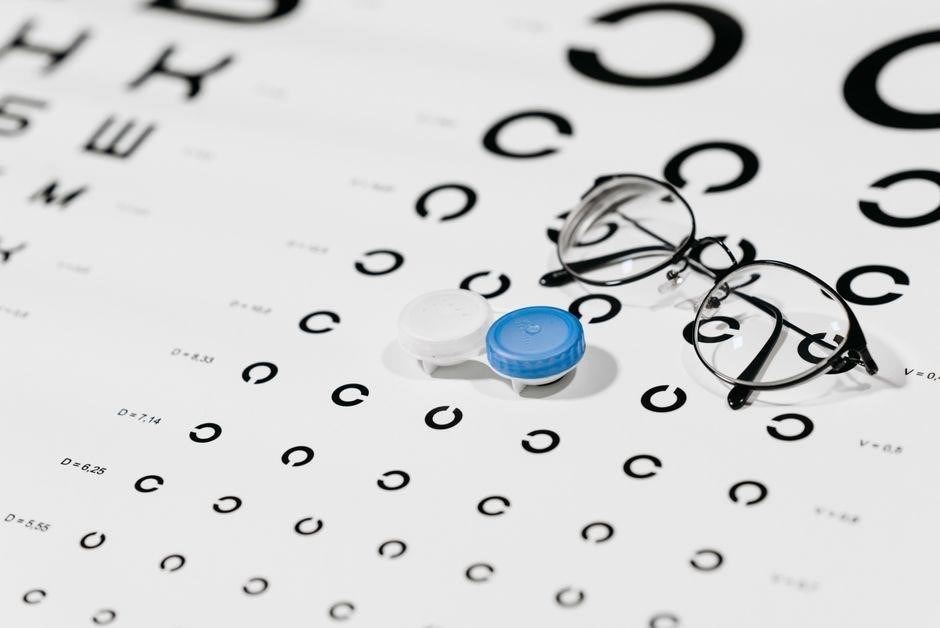
When fitting Acuvue Oasys Max Multifocal lenses‚ the initial lens choice must come from the current base‑curve library․ The trial lens is then adjusted to match the patient’s corneal curvature and diameter․ A properly fitted lens will center‚ fully cover the cornea‚ and avoid limbal exposure․ The base curve should be chosen to provide optimal corneal coverage while maintaining sufficient movement for tear exchange during blinking․ The diameter is typically 14․3 mm for the 1‑day lenses‚ ensuring a stable fit that accommodates the pupil‑centered design․ The fitting guide recommends selecting a base curve that matches the corneal radius‚ then verifying coverage and movement with the patient’s blink dynamics․ Adequate movement is essential for tear exchange‚ which maintains lens hydration and comfort․ The guide also stresses that the lens must be centered on the pupil to preserve the multifocal optics․ If the lens is too steep‚ it may cause excessive movement and tear exchange; if too flat‚ it may lead to poor coverage and limbal exposure․ The fitting process involves measuring the corneal curvature‚ choosing a base curve that matches‚ and confirming the diameter provides a stable‚ centered fit; The patient’s adaptation period is monitored‚ and adjustments are made if the lens does not cover the cornea fully or if movement is insufficient․ This systematic approach ensures that the lens delivers clear vision‚ comfort‚ and optimal tear dynamics for daily wear․ Additionally‚ the guide advises that for patients with a corneal radius below 7․8 mm‚ a steeper base curve such as 8․4 mm may be preferred‚ whereas a flatter base curve of 8․6 mm may be suitable for a radius above 8․0 mm․ The diameter selection also considers the pupil size; a larger pupil may benefit from a slightly larger diameter to maintain coverage during dilation․ The fitting protocol emphasizes that the chosen base curve and diameter must work in tandem to achieve a balanced fit that supports both optical performance and physiological comfort․
During the fitting session‚ the optometrist uses a keratometer or corneal topographer to obtain precise curvature data․ The measured values guide the selection of the base curve from the available options (8․4 mm‚ 8․6 mm‚ etc․)․ Once the base curve is chosen‚ the lens is placed on the eye‚ and the patient is asked to blink naturally․ The optometrist observes the lens movement‚ ensuring it does not drift or cause excessive tear exchange․ The diameter is verified by checking that the lens edge does not touch the limbus‚ and that the corneal surface is fully covered․ If the lens edges are too close to the limbus‚ the diameter may need adjustment or a different base curve may be required․ The fitting guide also recommends performing a post‑fit assessment after 30 minutes of wear to confirm that the lens remains centered and comfortable․ Any signs of discomfort‚ dryness‚ or visual distortion prompt immediate adjustment․ This iterative process ensures that the final lens selection provides optimal optical clarity‚ comfort‚ and tear dynamics for the patient’s daily routine․ The guide also highlights the importance of patient education on lens care and daily hygiene to maintain lens integrity․
Pupil-Centered Alignment for Multifocality
Acuvue Oasys Max Multifocal lenses are engineered with a pupil‑centered design that places the multifocal zones directly over the pupil to deliver seamless near and distance vision․ The fitting guide stresses that accurate pupil alignment is critical; misalignment can cause visual distortion‚ halos‚ or ghosting․ During the fitting process‚ the optometrist measures the pupil diameter in both light and dark conditions‚ then selects a lens whose optical center aligns with the measured pupil center․ The lens diameter of 14․3 mm and a base curve of 8․4 mm or 8․6 mm are chosen to match the corneal curvature‚ ensuring the optical center remains on the pupil․ The guide advises using a pupilometer or slit lamp to confirm alignment‚ and adjusting the lens position if the optical center is off by more than 0․5 mm․ Proper alignment also supports tear exchange; the lens moves with the blink‚ allowing fresh tear fluid to flow under the lens․ The fitting protocol recommends a post‑fit assessment after 30 minutes of wear to verify that the lens remains centered and that the patient reports clear vision at all distances․ If the patient experiences visual complaints‚ the optometrist may need to adjust the lens orientation or select a different base curve to better align the optical zones․ The guide also highlights that the pupil‑centered design reduces the need for large optical zones‚ which can improve comfort and reduce lens weight․ By following these steps‚ clinicians can ensure that the Acuvue Oasys Max Multifocal lenses provide optimal optical performance and patient satisfaction!!!

Step-by-Step Fitting Procedure
Select trial lens matching patient prescription‚ adjust base curve and diameter․ Verify corneal coverage‚ ensuring no limbal exposure․ Confirm pupil‑centered alignment․ Assess tear exchange by observing blink flow․ Document fit parameters and patient comfort for final prescription․Confirm lens stability patient comfort․
Trial Lens Selection and Adjustment
Begin by reviewing the patient’s current prescription and ocular measurements․ Select a trial lens from the available base‑curve options that best matches the corneal curvature‚ ensuring the diameter aligns with the patient’s pupil size; Adjust the lens power by adding the spherical equivalent and any necessary cylinder correction‚ applying the recommended +0․25 D to the spherical power for astigmatic patients․ Verify the lens sits centrally on the cornea‚ covering the entire corneal surface without exposing the limbus․ Use a slit lamp to observe the lens edge and confirm proper centration․ Perform a tear exchange test by gently blinking the patient and noting the fluid movement beneath the lens; adequate exchange indicates a good fit․ Record all measurements and observations for the final prescription․ Additionally‚ evaluate lens material compatibility by checking for any surface irregularities or deposits that could affect comfort․ If the patient reports dryness or irritation‚ consider adjusting the base curve to increase corneal coverage or selecting a lens with a higher oxygen permeability․ Document the patient’s subjective comfort score and any visual disturbances during the trial․ This comprehensive approach ensures that the chosen lens not only meets optical requirements but also provides optimal comfort and tear exchange dynamics for daily wear․

During the adjustment phase‚ use the lens fitting calculator to refine the base curve if the initial fit shows excessive movement or poor centration․ A lens that is too loose may cause tear pooling‚ while an overly tight lens can restrict tear exchange․ Adjust the diameter slightly if the patient’s pupil is larger than the standard 14․3 mm‚ ensuring the lens fully covers the cornea․ After each adjustment‚ reassess centration and tear exchange‚ and confirm that the lens does not contact the eyelid margin․ Finally‚ confirm that the patient can achieve clear near and distance vision with minimal halo or glare‚ indicating proper pupil‑centered alignment․ Record all adjustments and patient feedback for the final prescription․ Check for deposits on lens surface now․
Centering‚ Corneal Coverage‚ and Limbal Exposure
Proper centration is achieved by aligning the lens pupil axis with the patient’s visual axis‚ verified with a slit‑lamp biomicroscope․ The lens should fully cover the corneal epithelium‚ leaving no uncovered zone; this ensures uniform tear film distribution and prevents dry spots․ A well‑centered lens will not contact the limbus‚ which can cause irritation and epithelial ingrowth․ During fitting‚ gently rotate the lens to confirm it remains centered during blink cycles․ If the lens tilts‚ adjust the base curve or diameter to achieve a stable‚ centered position․ Adequate corneal coverage is confirmed by observing the lens edge against the corneal surface; the edge should lie within the limbal margin․ Any limbal exposure indicates a too‑small diameter or incorrect base curve․ For patients with larger pupils‚ consider a slightly larger diameter to maintain coverage․ After confirming coverage‚ assess tear exchange by asking the patient to blink; fluid should flow freely beneath the lens without pooling․ If tear exchange is inadequate‚ adjust the lens design or material․ Finally‚ document the centration status‚ corneal coverage‚ and limbal exposure for the final prescription‚ ensuring the lens provides optimal comfort and visual performance throughout daily wear․ The fitting process assesses tear film stability‚ ensuring the lens does not cause tear stagnation and that the blink reflex stays natural‚ maintaining ocular surface health and preventing complications such as corneal staining or microbial keratitis and infection

Comfort‚ Tear Exchange‚ and Blink Dynamics
The Acuvue Oasys Max lens design prioritizes tear film stability by allowing rapid tear exchange during blinking․ Its soft‚ breathable material reduces friction‚ while the pupil‑centered optics maintain clear vision․ Patients report dry‑free comfort throughout the day․․
Ensuring Adequate Tear Exchange Under Lens
Ensuring adequate tear exchange beneath the Acuvue Oasys Max Multifocal lens is pivotal for sustained comfort and visual clarity․ The lens’s ultra‑soft‚ high‑oxygen permeability material allows the tear film to flow seamlessly during each blink‚ preventing stagnation and reducing the risk of dry‑eye symptoms․ The embedded PVP/LACREON technology creates a micro‑layer that traps moisture‚ while the pupil‑centered optics maintain a stable tear reservoir around the visual axis․ Proper centration ensures that the lens moves naturally with the eye‚ promoting uniform tear distribution across the corneal surface․ During a blink‚ the lens’s slight curvature and flexible edge allow the eyelid to compress the tear film‚ pushing fresh tears into the sub‑lens space and expelling debris․ This dynamic exchange is further enhanced by the lens’s 14․3 mm diameter and 8․4 mm base curve‚ which provide optimal corneal coverage without excessive edge pressure․ Clinicians should verify that the lens does not contact the limbus‚ as limbal exposure can impede tear drainage and compromise exchange․ Regular follow‑up examinations can confirm that tear exchange remains efficient‚ especially in patients with dry‑eye predisposition․ By integrating material science‚ precise fit‚ and ocular biomechanics‚ Acuvue Oasys Max delivers a tear‑friendly environment that supports both comfort and high‑quality vision throughout the day․ Clinicians should monitor tear film thickness and ocular surface health during routine follow‑ups to ensure optimal lens performance․

Special Considerations and Troubleshooting
When fitting Acuvue Oasys Max Multifocal lenses‚ practitioners should anticipate common issues such as lens decentration‚ residual astigmatism‚ or patient discomfort due to dry‑eye conditions․ A systematic approach to troubleshooting begins with verifying the base‑curve and diameter selection against the patient’s corneal topography․ If the lens appears tilted or rotated‚ reassess the pupil‑centered alignment and consider a slight adjustment in the base‑curve to improve centration․ For residual astigmatism‚ confirm the cylinder power and its orientation; a misaligned axis can lead to blurred vision or glare․ In cases of discomfort‚ evaluate tear film quality and ocular surface health; the embedded PVP/LACREON technology is designed to retain moisture‚ yet patients with severe dry‑eye may benefit from adjunctive lubricating drops․ Lens edge irritation can be mitigated by ensuring the corneal coverage is complete without limbal exposure; a minor increase in diameter may resolve lens warping or surface defects․ Finally‚ patient education on proper insertion‚ removal‚ and hygiene is essential to prevent microbial keratitis and maintain lens integrity․ Regular follow‑up appointments should include a slit‑lamp examination to monitor corneal staining‚ tear exchange‚ and lens fit‚ allowing timely adjustments to optimize comfort and visual performance․ In addition‚ clinicians should monitor tear film osmolarity and ocular surface temperature‚ as fluctuations can alter lens hydration dynamics and impact multifocal optical performance; periodic reassessment ensures long‑term visual satisfaction and reduces the risk of contact‑lens‑associated complications and patient comfort monitored now․