





The 19 bus schedule PDF offers commuters a concise, printable reference for route times, stops, and frequency. By accessing this document, riders can quickly plan trips, verify service changes, and share information with others, ensuring reliable travel across the network. Download from transit for updatesnow.
Purpose and Scope
Understanding the purpose and scope of the 19 bus schedule PDF is essential for both casual riders and frequent commuters. The PDF serves as a static, reliable snapshot of the bus’s operating hours, stop list, and frequency, capturing the current timetable in a format that can be printed, shared, or stored offline. By providing a single source of truth, the document eliminates confusion that can arise from fragmented online updates or mobile app glitches. It also offers a convenient reference for planning multi‑stop journeys, estimating transfer times, and verifying service changes that may occur on specific days or during special events. The scope of the PDF extends beyond simple time listings; it typically includes additional details such as fare information, route maps, and notes on seasonal adjustments, detours, or temporary closures. Users can quickly scan the document to identify peak‑hour frequencies, weekend schedules, and any deviations from the standard timetable. For transit agencies, publishing the schedule in PDF format ensures compliance with accessibility standards, provides a durable record for regulatory audits, and facilitates distribution to community partners, schools, and businesses that rely on consistent transit data. In summary, the 19 bus schedule PDF is a comprehensive, user‑friendly tool that consolidates critical operational information into a single, easily accessible format, supporting efficient travel planning and fostering transparency in public transportation services. Download the PDF now to keep your travel plans exact stress‑free daily today

Understanding Bus 19
Bus 19 serves key neighborhoods, linking residential zones with commercial hubs. Its route spans 12 miles, stopping at 28 locations, and operates from dawn to dusk. Riders rely on its predictable timing to catch trains, schools, and work, making it a backbone of local transit.2026
Route Overview and Service Frequency
Bus 19 travels a 12‑mile corridor that starts at the downtown transit hub, loops through the central business district, and terminates at the northern residential complex. The route includes 28 stops, with major transfer points at the university, the regional hospital, and the shopping mall. The first bus departs at 5:30 a.m., and the last at 11:30 p.m., providing 18 hours of daily service. During weekday peak periods (7:00–9:00 a.m. and 4:00–6:00 p.m.) buses arrive every 12 minutes, ensuring high capacity for commuters. Off‑peak intervals shift to 20 minutes, while late‑night service runs hourly between midnight and 2:00 a.m. Weekend schedules mirror weekday patterns but with a 30‑minute headway during midday. The PDF schedule lists exact arrival times for each stop, allowing riders to plan transfers and anticipate wait times. Travelers can also view real‑time updates via the transit app, which syncs with the PDF data for accuracy. For special events or construction, temporary detours are noted in the PDF, with alternate routes and adjusted frequencies indicated. The document also highlights fare zones, discount programs, and accessibility features such as wheelchair‑accessible stops and audio announcements. By reviewing the PDF, passengers can optimize their journeys, reduce travel time, and stay informed about any service changes that may affect their daily commute. The schedule’s clear layout, color‑coded sections, and concise timing tables make it a reliable tool for both new and experienced riders seeking dependable transit
The PDF Format
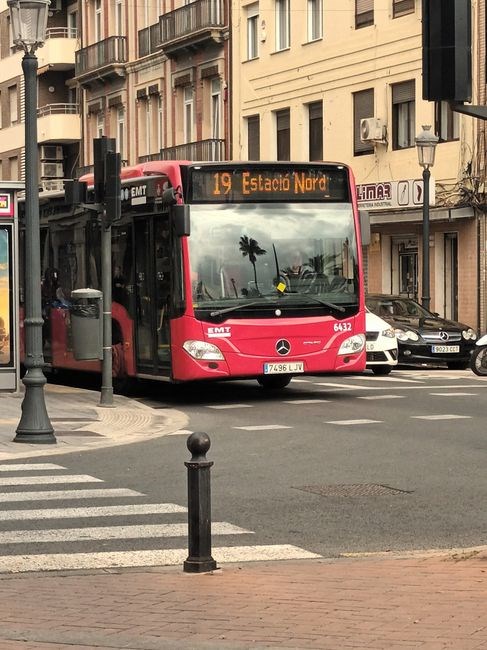
The PDF format offers a portable, searchable, and universally accessible way to view the 19 bus schedule. It preserves layout, includes hyperlinks to stop maps, and can be printed or shared digitally. The file size stays small, ensuring quick downloads and offline use. It stays reliable.

Advantages of PDF for Bus Schedules
PDF files provide a stable, platform‑independent format that preserves the exact layout of the 19 bus schedule, ensuring every rider sees the same timetable regardless of device. Because PDFs are read‑only, the information cannot be accidentally altered, protecting the integrity of official transit data. The format supports embedded hyperlinks, allowing users to click directly to a stop’s map or to a live‑tracking page for real‑time updates. Search functionality lets commuters quickly locate a specific stop or time, saving time compared to scrolling through a long list. PDFs can be compressed without losing quality, keeping file sizes small so they download quickly even on limited mobile data plans. The ability to print the schedule in high resolution means commuters can keep a physical copy for reference during travel, especially useful when Wi‑Fi is unavailable. Moreover, PDF documents are universally supported across operating systems, browsers, and mobile apps, so users on Windows, macOS, iOS, Android, or Linux can open the file without needing specialized software. Accessibility features such as tagged PDFs enable screen readers to interpret the timetable for visually impaired riders, enhancing inclusivity. Its non‑editable nature also prevents accidental changes, ensuring that the schedule remains trustworthy. Finally, the PDF format allows transit authorities to update schedules centrally; once the new PDF is published, all users who download it receive the latest information instantly. This combination of reliability, accessibility, and ease of distribution makes PDF the preferred choice for distributing bus schedules like the 19 route.

Finding the 19 Bus Schedule PDF
Locate the official PDF via the transit authority’s website, search the “Schedules” section, or use the mobile app’s download feature. Verify the file name includes “Route 19” and the current date for the latest timetable. Check for PDF updates monthly to stay current!!
Official Transit Authority Resources
Transit authorities maintain centralized portals where riders can access the most recent Route 19 PDF. The primary source is the official website, typically hosted under a “Schedules” or “Planning” tab. Here, a searchable database lists all routes; selecting Route 19 reveals a downloadable PDF, often labeled “Route 19 – Monday‑Friday” or “Route 19 – Weekend.” The file size is usually under 200 KB, ensuring quick load times even on mobile networks. In addition to the web portal, many agencies offer a dedicated mobile application. Within the app, a “PDF Library” or “Schedule Downloads” section mirrors the website’s offerings, allowing offline access after a single tap. For those who prefer email updates, the transit authority’s newsletter subscription can include a monthly PDF attachment or a link to the latest schedule. If a rider encounters a broken link or outdated file, the customer service hotline—listed on the website’s “Contact Us” page—provides a direct line to the scheduling department. Representatives can confirm the version number, release date, and any temporary service changes. Accessibility is also a priority; the PDF is often available in an “Accessible PDF” format, featuring high‑contrast text and selectable fonts for screen readers. Finally, for academic or research purposes, the transit authority’s open data portal offers raw schedule data in CSV or JSON formats, which can be converted into a custom PDF if desired. By leveraging these public tools, commuters can stay informed, plan efficiently, and avoid surprises on the road. All updates are timestamped now.
Downloading the PDF
Access the transit portal, locate Route 19, click the PDF icon, and the file downloads instantly. Confirm the filename “Route19_Schedule.pdf” and open with any viewer. Save to your device or cloud for offline use, ensuring you have the latest timetable before heading out.DownloadPDF.
Detailed Download Steps
To obtain the most current 19 bus schedule PDF, follow these precise steps. First, open a web browser and navigate to the official transit authority website. Once on the homepage, locate the “Routes” or “Schedules” menu, which typically appears in the top navigation bar. Click this menu and then select “Route 19” from the dropdown list. The route page will display a summary of the schedule, fare information, and a link to the PDF file. Look for a button or hyperlink labeled “Download PDF” or “Full Schedule PDF.” Click this link; the browser will either prompt you to save the file or automatically begin downloading it to your default downloads folder. If prompted, choose a location on your computer or cloud storage where you can easily retrieve the file later. After the download completes, open the PDF with a reader such as Adobe Acrobat Reader, Preview on macOS, or any browser that supports PDF viewing. Verify that the document contains the expected columns—Stop, Time, Frequency, and Notes—and that the dates are current. If you encounter a 404 error or the file does not appear, clear your browser cache, refresh the page, and try again. For mobile users, the same steps apply: tap the “Download PDF” link, then select “Save to Files” or “Open in….” Once saved, you can annotate, share, or print the schedule for convenient use while traveling; Additionally, you may use the PDF’s built‑in search feature to locate specific stops or times quickly. Bookmark the route page for future reference, and consider subscribing to email alerts if the transit authority offers them, so you receive automatic updates when the PDF is revised. Finally, keep a backup copy on a USB drive or cloud service to ensure you always have access, even if your primary device is unavailable. When viewing the PDF, you can zoom in for clarity, use the thumbnail sidebar to jump between pages, and toggle the “Print” option to generate a hard copy that includes all stops and times in a single sheet. If you prefer a digital calendar, export the schedule to an iCal or Google Calendar format by selecting the appropriate option in the PDF viewer, if available. For accessibility, use screen readers that support PDF content, and adjust the contrast settings in your operating system for better visibility. Remember to check the PDF’s metadata for the last updated date, ensuring you are referencing the latest schedule version. If you encounter any issues downloading, contact the transit authority’s support line or email, providing the PDF link and the error message for assistance.

Interpreting the PDF Content
Read the header for dates, then scan the stop list. Times are in 24‑hour format; note the first and last departures. The frequency column shows minutes between buses. Use the legend to decode symbols for express weekend service. Print or annotate for quick reference!! Thanks!! Use schedule to plan day. Enjoy!

Key Sections and How to Use Them
At the top of the PDF, the header lists the effective date range, the transit authority logo, and a brief note on temporary service changes. Below that, a legend explains symbols used throughout—blue dot for a standard stop, green triangle for a major transfer, and red exclamation for a detour. The main body is a table with columns for stop name, first and last departure times, interval in minutes, and service type (weekday, Saturday, Sunday). The first column lists stops in route order. The second and third columns give earliest and latest departure times in 24‑hour format. The fourth column shows the average minutes between buses. The final column contains notes such as “express only” or “no service on holidays.”
Below the table, a small map outlines major intersections and key landmarks, giving visual context for the stops. The map uses color coding to differentiate daytime and nighttime routes and marks alternate paths during peak hours or construction. A concise legend explains each color and symbol. At the bottom, the footer includes customer service contact, a link to the real‑time tracker, and a disclaimer that times may change due to traffic or construction. A QR code directs users to the transit authority’s mobile app for live updates. By reviewing these sections, riders can determine the best departure time, identify transfer points, and stay informed about disruptions, ensuring a smoother commute. The PDF also lists any temporary detours and provides a quick reference for alternate routes, allowing riders to adapt their plans on short notice!

Practical Usage Tips
Download the PDF, bookmark it, and use the legend to locate stops. Print a copy for offline use, or save to your phone. Check the first and last times to avoid missing the bus, and note the interval column for quick planning. Keep the QR code handy for real‑time updates.Use daily.
Planning Your Trip with the PDF
Open the PDF or print it. The schedule lists departure times, stops, and travel duration. Find your origin and destination stops by scanning the left‑hand list. Match the times in the main table.
Step 2: Find the earliest bus that fits your arrival window. If you need to arrive by 8:30 AM, look for the first departure after 8:00 AM that still reaches the destination before 8:30. Check the interval column to gauge waiting time. Use the PDF’s search function to quickly locate your stop.
Step 3: Check service alerts. PDFs may list detours or maintenance. Adjust your departure time or use an alternate route. If the PDF is outdated, cross‑reference the transit website or app for the latest updates. Many transit sites offer a PDF viewer that scales to your screen for mobile use.
Step 4: Plan transfers. If the 19 bus connects to another line, the PDF shows transfer points. Mark the stop and check the next bus’s departure time to ensure a smooth handoff.
Step 5: Save the PDF to your phone or cloud. Open it offline when you’re on the move. Bookmark the page for quick access. Some transit apps let you import PDFs, turning them into interactive maps.
Step 6: Keep the PDF handy during the trip. If you need to adjust your route, refer to the stop list to find the next departure. The PDF’s clear layout helps spot the next bus even when you’re in a hurry.

By following these steps, you’ll use the 19 bus schedule PDF to plan efficient, stress‑free trips, ensuring you arrive on time and avoid missed connections.